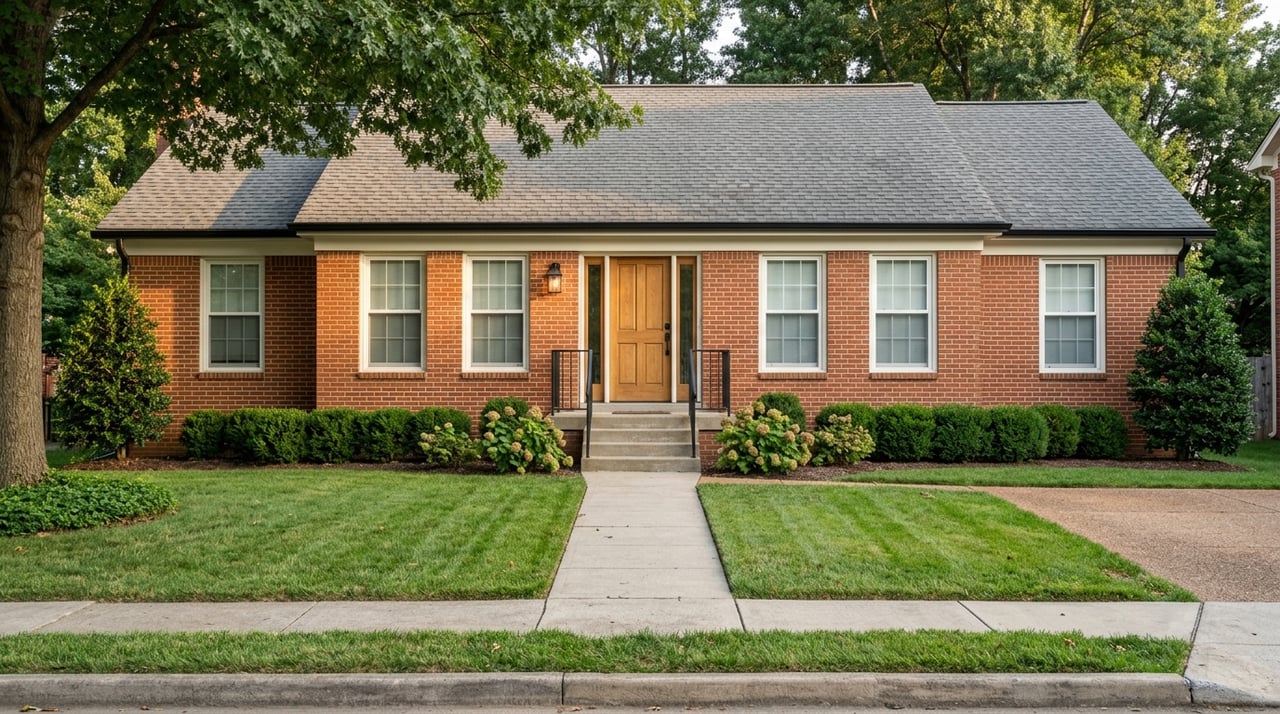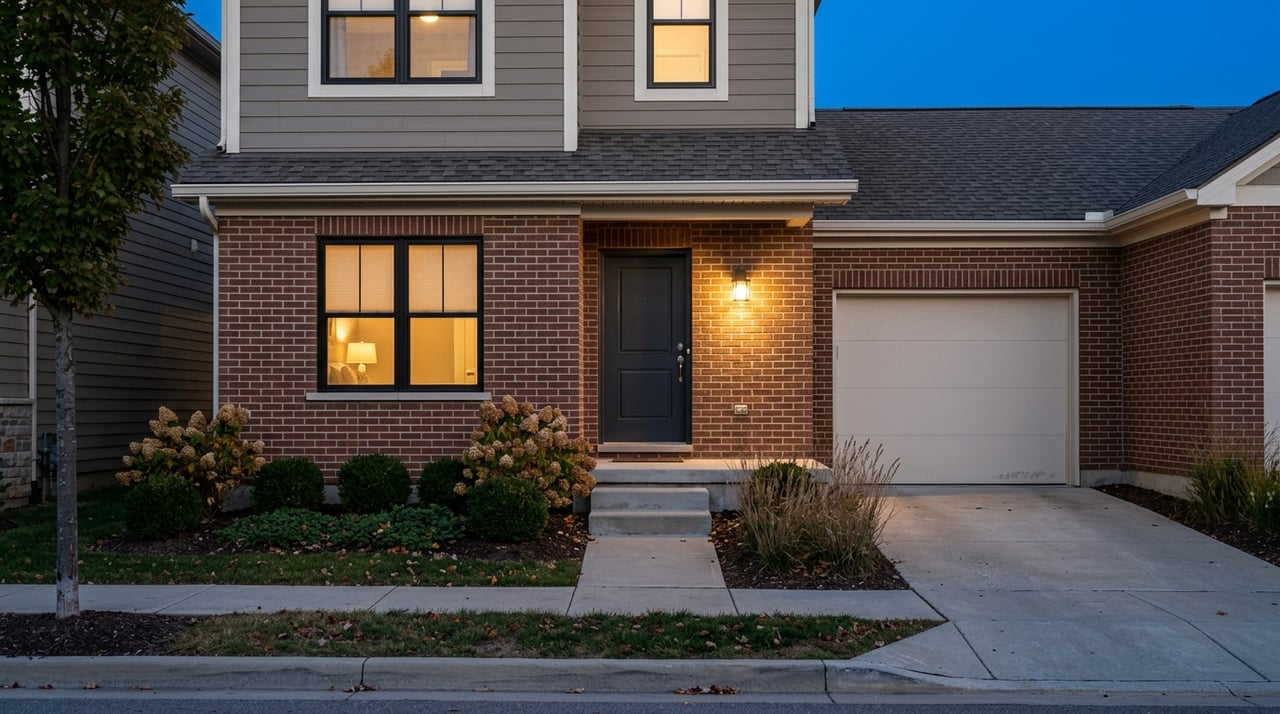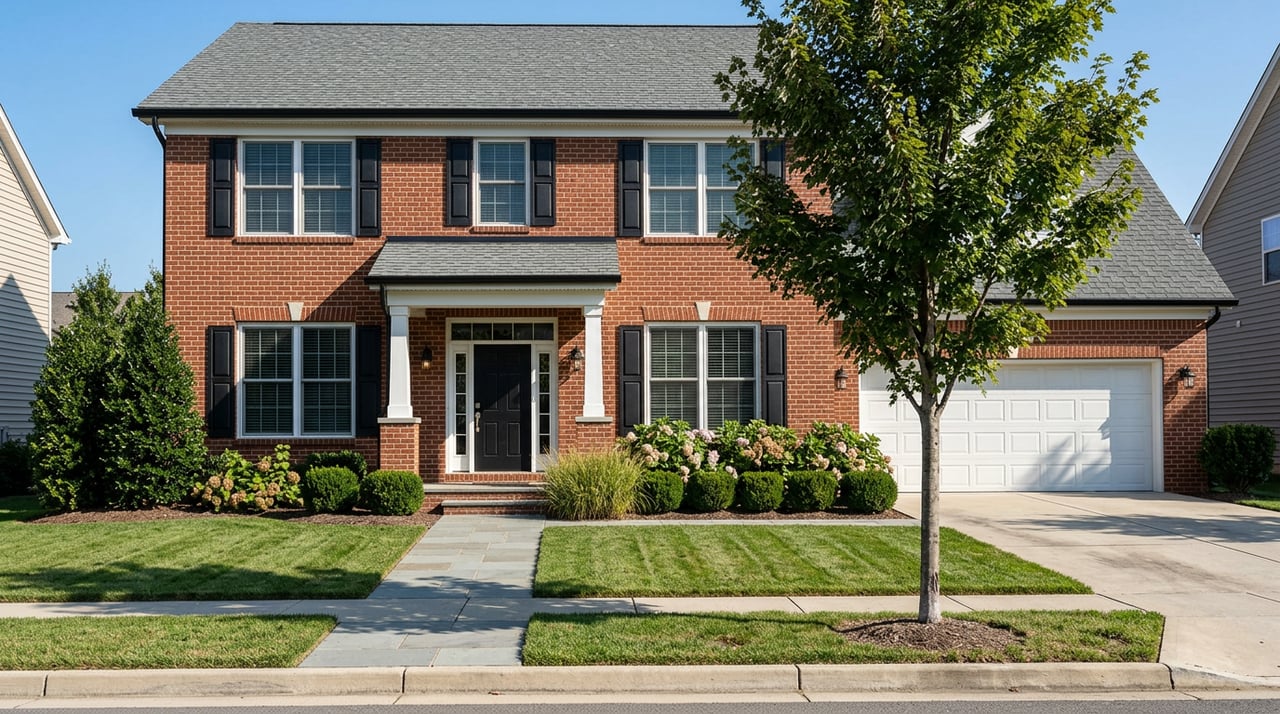
Setting your list price in Fairfax County can feel like threading a needle. You want top dollar without sitting on the market, and you need a number you can defend with data when buyers and appraisers ask for proof. In this guide, you’ll get a simple four-step pricing framework, current local stats for context, and a 7–14 day check so you can course-correct fast if needed. Let’s dive in.
Fairfax County pricing now: what the data says
In February 2026, Fairfax County’s median sold price sat in the low-to-mid $700,000s. NVAR’s jurisdiction snapshot shows a median near $729,000 for the month, while other trackers placed it slightly lower. You also saw longer time on market across Northern Virginia and a more measured pace compared with the pandemic surge, which lines up with what many sellers have felt this year. You can review NVAR’s February update and jurisdiction graphic for the regional context and Fairfax details.
- See NVAR’s February 2026 market summary for Northern Virginia trends, including longer average days on market and expanded supply.
- View NVAR’s Fairfax County February 2026 jurisdiction infographic for a quick look at the median price.
Buyers have a bit more choice and a bit more time than they did a year ago. That means testing the market with an optimistic list price can backfire. When days on market rise, your leverage erodes and later reductions tend to be larger. A defensible price based on recent sold comps and a short early-review plan helps you stay in control.
Why the county median is only a starting point
Fairfax County is a big, diverse market. High-end pockets like McLean, Vienna, and Oakton often trade well above the county median. Other areas, including parts of Springfield and Annandale, may sit below. Commute corridors, housing stock, and school pyramids create wide spreads, so you need micro-market comps to price right.
The 4-step pricing plan to use
Here’s a simple framework you and your agent can follow to set a number you can stand behind.
1) Define your market area and timeframe
Start with your immediate neighborhood: a 1–2 mile radius works for most suburban Fairfax homes, matched to a similar school pyramid when possible. Prioritize closed sales from the last 30–90 days so your price reflects current conditions. If you must use older sales, your agent should analyze the market trend and support any time adjustments using local indices or MLS data. Appraisal guidance expects time and other adjustments to be documented and market-supported, not arbitrary.
- Learn how appraisers support time and condition adjustments in Fannie Mae’s Appraiser Update.
2) Select 3–6 comps and convert differences into dollars
Pick the most similar recent sales by style, size, and location. Use units of comparison like price per square foot, then apply specific dollar adjustments for key differences: beds and baths, finished basement, above-grade square footage, lot size, roof and HVAC age, and kitchen or bath condition. When comp sale dates are older, apply a market-time adjustment backed by local trend data. Appraisers and lenders expect this analysis to be shown in writing.
- Fannie Mae’s Appraiser Update explains how to document adjustments and support market changes.
3) Match your pricing strategy to your goal
Once you know your market value range, choose a strategy:
- Price for speed: list at or slightly below the indicated value to capture early momentum.
- Market-accurate: list near the indicated value and expect standard negotiation.
- Premium pricing: list above market if the home is truly unique and you can be patient.
Recent county performance shows well-positioned listings often achieve near-list outcomes in this environment. With inventory and days on market up regionally, overpricing increases the odds of a longer wait and a later price cut. Use your agent’s CMA to justify the strategy you choose and to set a clear negotiation band.
- NVAR’s February 2026 update details the regional rise in time on market and supply.
4) Monitor early signals and act within 7–14 days
Your first two weeks on market are the best time to read demand. Track showings, online saves and inquiries, written buyer feedback, and nearby pendings. If you see low traction by day 7 to 14, revisit price and presentation quickly rather than waiting weeks. National analyses show price reductions tend to grow the longer a listing sits, so acting early helps preserve leverage.
- See NAR’s outlook and timing insights on how momentum improves odds of success.
Fairfax value drivers that move the needle
Small, targeted improvements often beat big renovations right before listing. Focus on the items buyers notice first and the features that comps reward.
Kitchens and baths
In many markets, modest kitchen updates deliver a stronger payback than full gut remodels. The 2025 Cost vs. Value research highlights that minor kitchen projects can show some of the better interior ROIs. In Fairfax, that often means new cabinet hardware, refreshed counters, modern lighting, and a neutral backsplash that photographs well.
- Review Zonda’s Cost vs. Value findings for high-ROI projects.
Curb appeal and exterior projects
Exterior replacements regularly rank near the top for resale ROI. Garage door swaps, updated entry doors, selective siding refreshes, or a manufactured stone veneer can set your home apart when interior finishes are otherwise comparable. If your budget is tight, start outside.
- Zonda’s Cost vs. Value data spotlights exterior ROI leaders sellers can prioritize.
Square footage and finished basements
For most Fairfax homes, price per square foot is the simplest way to convert size and finish differences into dollars. A finished basement with usable living space typically carries a measurable adjustment in the comps. Ask your agent to show the price-per-square-foot spread in your micro-market and how that supports each dollar change.
Documented adjustments win negotiations
Expect your agent to show how each adjustment is supported by the market. When older comps are used, they should apply and document a time adjustment based on local trend evidence. That same support will help you if the appraisal comes in tight.
- Fannie Mae’s guidance outlines the expectation for market-supported adjustments.
Your Fairfax seller pricing checklist
Use this to stay organized and aligned with your agent.
- Get a current CMA with sold, pending, and active comps from your micro-market. Ask for a written pricing recommendation and negotiation band.
- Pick your strategy: speed, market-accurate, or premium. Note your acceptable net proceeds range, accounting for commissions, taxes, and moving or bridge costs.
- If budget allows, prioritize exterior curb appeal and modest kitchen or bath refreshes over major interior remodels. Cost vs. Value research shows these often recoup better near-term.
- Launch strong: professional photos, a clear floor plan, and a scheduled 7–14 day pricing review. If traction is weak, adjust quickly.
- Track showings, serious inquiries, and buyer feedback weekly during month one. These signals matter more than passive online views alone.
How I pick the best comps in Fairfax
When I build your CMA, I start at the neighborhood level and expand only if needed to find truly comparable sales. I favor closed sales from the past 30–90 days, then pair them with nearby pendings to sense current momentum. I convert the big differences into dollars using price per square foot and targeted adjustments for finished basements, bath count, and condition. If any comp is older, I apply a time adjustment and show my support for it. That way your list price is easy to explain to buyers, and it stands up better with appraisers.
Ready to set your number with confidence?
If you want a data-backed plan tailored to your block, I can help. I’ll prepare a clear CMA, recommend a pricing strategy, and map a 7–14 day review so you stay ahead of the market. To get started, request a free valuation and a short pricing consult with Amit Vashist.
FAQs
Should you fix everything before listing in Fairfax County?
- No. Focus on high-ROI items like curb appeal and modest kitchen or bath refreshes, and repair clear inspection issues that could derail a deal. Zonda’s Cost vs. Value data highlights that targeted exterior work and minor kitchen projects often outperform big remodels.
Will your Fairfax County home appraise at your list price?
- Appraisals rely on recent closed sales and require supported time and condition adjustments when comps are older or different. Base your list price on verifiable comps, and ensure your agent documents how market changes were handled so the appraisal has a strong foundation.
When should you adjust price if activity is low?
- Plan a formal review at 7–14 days. If you have few showings, weak inquiries, and no quality offers, adjust price or presentation quickly. Momentum matters, and reductions tend to grow the longer a home sits.
How much do small improvements add to your sale price?
- It depends on your micro-market and the project. Use local comps to test value. Exterior upgrades often rank high for ROI, and midrange kitchen refreshes can show strong payback. Confirm with your CMA before investing.