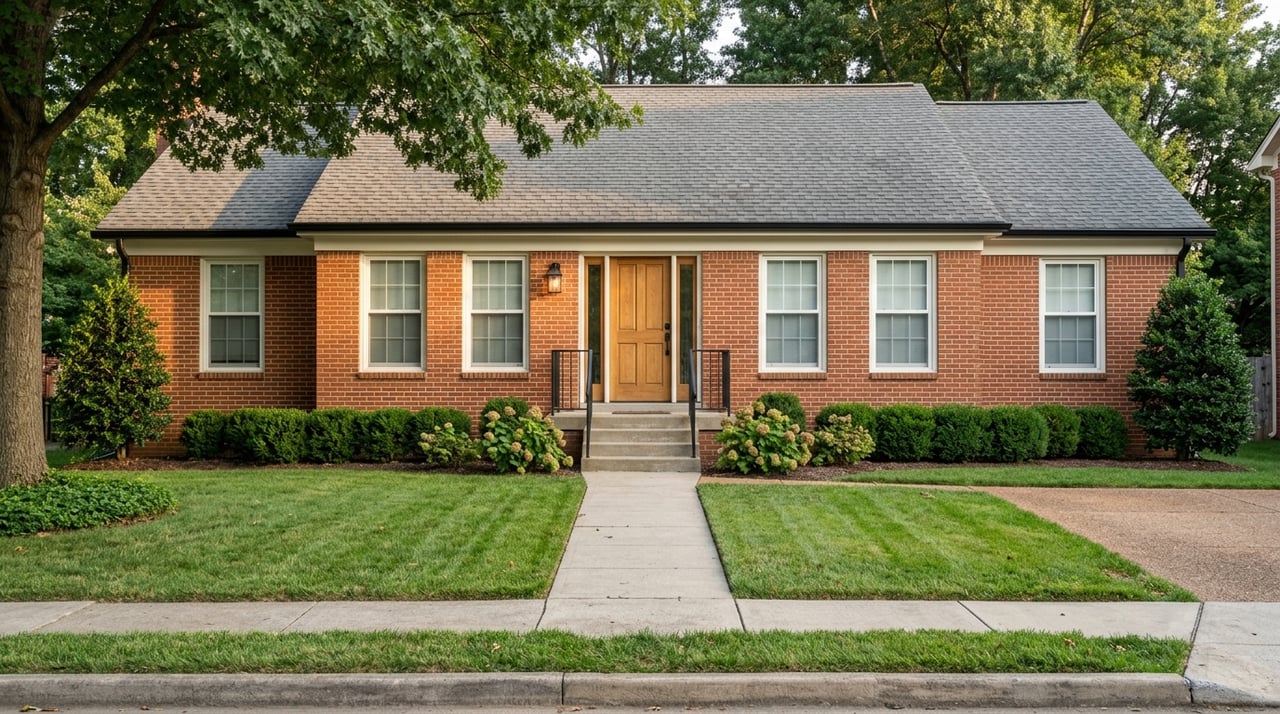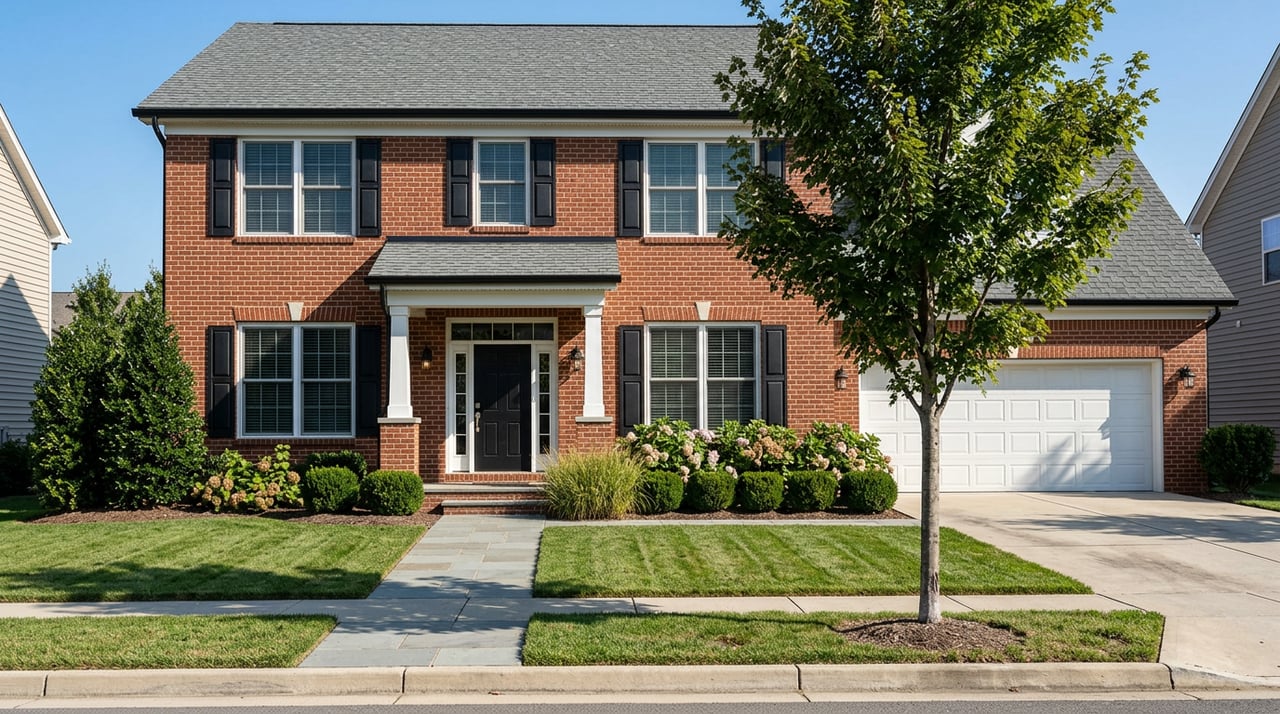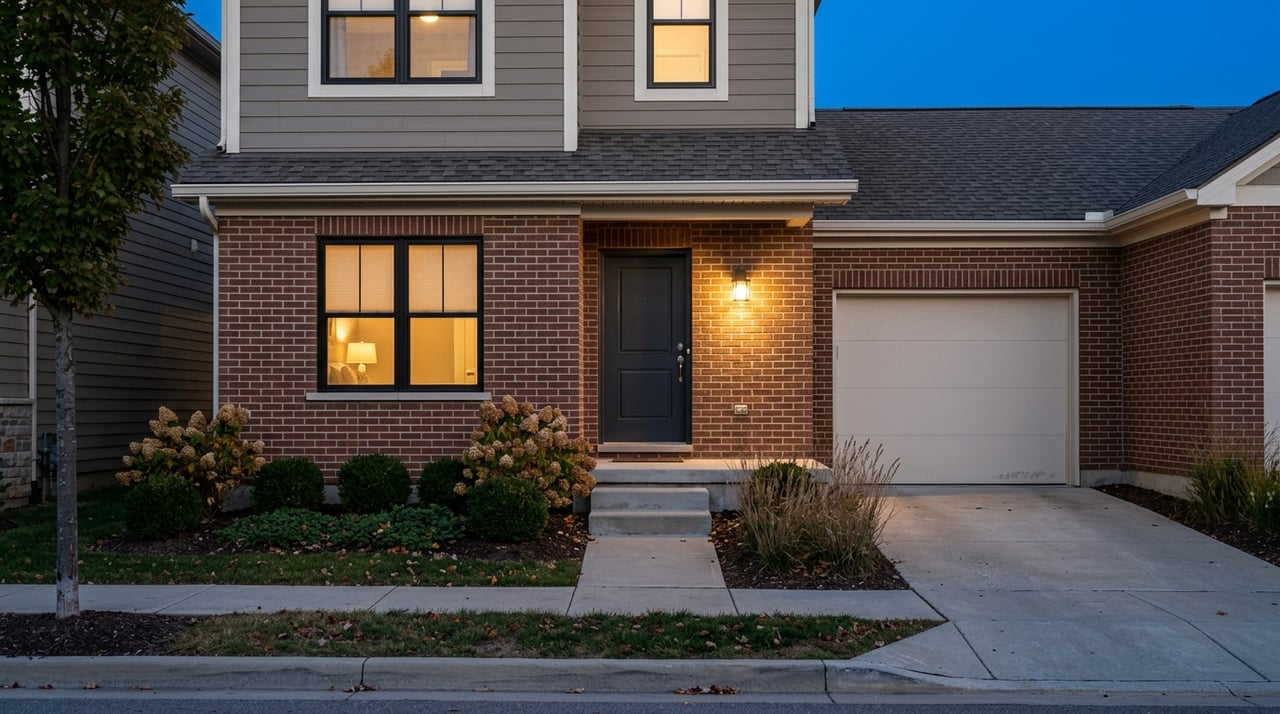
Owning a rental in Loudoun County can look simple on paper, but the day-to-day decisions are where small landlords often lose time and money. If you own a townhouse, condo, or single-family home and want to protect your rental income, reduce vacancy, and stay on top of Virginia rules, you need a clear plan. This guide breaks down the local rent picture, turnover priorities, lease milestones, and county-specific items that matter most in Loudoun County. Let’s dive in.
Understand Loudoun rental pricing
Loudoun County is a strong-income housing market, and that shapes rental demand and pricing. According to the U.S. Census QuickFacts for Loudoun County, the county has a 77.9% owner-occupied housing rate, a median household income of $181,765, and a median gross rent of $2,386 based on ACS 2020-2024 data.
At the same time, Zillow’s county-level rent data showed an average asking rent of $2,579 as of February 28, 2026, with a 1.3% year-over-year increase. These figures are useful, but they do not measure the exact same thing. In practice, it is smarter to treat them as a local rent range, not one exact target number.
That matters if you are pricing a vacancy. A condo in Leesburg, a townhouse in Sterling, and a larger home near Ashburn can all sit in very different parts of that range depending on size, condition, and location.
Use ZIP-level rent context
If you want another reality check, Loudoun County publishes Housing Choice Voucher payment standards by ZIP code using Small Area Fair Market Rents. For 2026, the 2-bedroom payment standard ranges from $1,359 in Bluemont (20135) to $3,033 in Great Falls (22066).
A few local examples show how wide the spread can be:
- Sterling (20164): $2,395
- Leesburg (20175): $2,045
- Great Falls (22066): $3,033
- Bluemont (20135): $1,359
These standards are not the same as open-market rent, but they are still a helpful local benchmark. They can help you sense-check your asking price before you list.
Set rent with a practical framework
For most small landlords, overpricing is just as risky as underpricing. If you start too high, you may trade a slightly higher target rent for extra vacancy, repeated price cuts, and weaker applicant activity.
A more practical approach is to look at your property through three filters:
- Countywide range based on Census and Zillow data
- ZIP-level context using Loudoun’s voucher payment standards
- Direct local comparisons from current apartment and rental listings
Loudoun also points owners to its Apartment Rental Guide, which includes both market-rate and affordable communities. The county notes that participating communities provide the average rents and that pricing can change, so use it as a comparison tool, not a final answer.
Prioritize turnover work correctly
Between tenants, many owners focus first on paint, flooring, and cosmetic touch-ups. Those items matter, but Virginia law puts the bigger priority on habitability and code-related issues.
Under Virginia landlord obligations, you must keep the dwelling in a fit and habitable condition and comply with health and safety codes. That means your first pass between tenants should focus on anything involving major systems, leaks, moisture, mold concerns, and safety issues.
Start with this turnover checklist
Before you worry about upgrades, review these basics:
- Plumbing leaks or signs of water intrusion
- HVAC, heat, and cooling function
- Electrical issues or unsafe fixtures
- Appliances that do not work properly
- Moisture or visible mold concerns
- Smoke or safety-related items tied to habitability
- Doors, windows, locks, and other basic function items
Once those are addressed, you can move to cosmetic work like paint, cleaning, carpet replacement, or minor updates that may support stronger rent.
Check permit requirements first
Some owners try to use vacancy periods to improve the property with larger projects. That can make sense, but Loudoun County requires permits before certain work begins.
According to the county’s building permit guidance, decks and finished basements require permits, and additions or alterations may require building permits plus trade permits for electrical, plumbing, mechanical, or gas work. If the property is inside an incorporated town, separate town zoning permits may also apply.
If you are doing more than routine repairs, check the county and town process before scheduling contractors. That extra step can help you avoid delays and rework.
Know the key Virginia lease milestones
Small landlords often get into trouble not because the lease is bad, but because timing rules are missed. Virginia gives you a clear framework for move-in, entry, inspection, and security deposit handling.
Move-in report timeline
At move-in, you must provide a written report within five days after occupancy that itemizes any preexisting damages. The tenant then has five days to object in writing. The move-in report also includes visible mold disclosure under Virginia code.
This is one of the simplest ways to protect yourself later. A clear move-in condition report makes the move-out conversation far easier if there is damage beyond normal wear and tear.
Entry and notice rules
You may enter a rental for inspections, repairs, or showings, but the timing matters. Under Virginia entry rules, except in emergencies or when impractical, you must give notice and enter only at reasonable times.
For routine maintenance not requested by the tenant, the statute calls for at least 72 hours’ notice, and the maintenance should be performed within 14 days of that notice. If you manage your own property, this is a good rule to build into your calendar and communication habits.
Move-out inspection and deposit deadlines
At move-out, the tenant has the right to be present at the inspection if requested. The inspection must occur within 72 hours after possession is delivered, and you must send a written, itemized security deposit disposition within 45 days under Virginia law.
Virginia also caps the security deposit at two months’ periodic rent. Good documentation, photos, and a clean paper trail matter here just as much as the lease terms.
Lease delivery requirements
The state handbook says landlords must provide the signed written lease and the Virginia statement of tenant rights and responsibilities within 10 business days of the lease’s effective date. You can review that in the Virginia Landlord-Tenant Handbook.
If you are a small owner handling leasing yourself, this is an easy item to miss. A simple checklist can keep your file complete from day one.
Understand month-to-month notice rules
If you have a month-to-month tenancy, the default notice is 30 days before the next rent due date unless the lease says otherwise, according to the Virginia handbook.
The same handbook also notes that landlords with more than four rental dwelling units, or more than a 10% interest in more than four units, must give 60 days’ written notice of rent increases or nonrenewal for certain renewal terms. For many small Loudoun owners, that larger-landlord rule may not apply, but it helps clarify where small-owner rules end and broader portfolio rules begin.
Review Loudoun-specific owner requirements
Local rules matter too, especially if you own multiple rentals or plan to work with voucher tenants.
Business license threshold
Loudoun County’s business-tax paperwork says owners of three or more long-term residential rental units must register for a Rental by Owner business license. The county form defines long-term rentals as terms of 30 or more days. You can verify that in the county’s Residential Rental Property List form.
If you own one or two units, this specific threshold may not affect you yet. But if you are slowly building a portfolio, it is worth tracking.
Voucher-assisted rental inspections
If you rent to a Housing Choice Voucher tenant, Loudoun says the process is generally similar to renting to other tenants, but the unit must pass NSPIRE before the county executes the housing assistance contract. On the county’s landlord information page, Loudoun explains that initial inspections happen before move-in and biennial inspections typically occur about every 24 months.
The county also states that owners usually have 30 days to fix ordinary failures and 24 hours to correct life-threatening items. If you are considering voucher-assisted leasing, this is one of the most important operational details to understand upfront.
Build a smoother rental process
Small landlords usually do best when they treat leasing like a repeatable system, not a one-off event. That means using a pricing process, a turnover checklist, a lease packet checklist, and a documented move-in and move-out routine.
A practical system can help you:
- Reduce vacancy from pricing mistakes
- Catch habitability issues before a tenant moves in
- Keep better records for inspections and deposits
- Avoid missing state notice and document deadlines
- Make future leasing or sale decisions with better data
If you are debating whether to keep renting, raise rent, or prepare the property for sale, a local market read can help you compare those options more clearly.
If you want a practical plan for your Loudoun County rental, whether that means pricing a lease correctly, preparing for turnover, or weighing a sale instead of another tenant cycle, connect with Amit Vashist. You will get a calm, data-backed perspective focused on your numbers, timing, and next best step.
FAQs
What is a reasonable rent range for a small rental in Loudoun County?
- Loudoun County data shows a median gross rent of $2,386 from the Census and an average asking rent of $2,579 from Zillow as of February 2026, so many owners use those figures as a broad range and then adjust based on ZIP code, condition, and property type.
What move-in documentation does a Loudoun County landlord need under Virginia law?
- Virginia law requires a written move-in report within five days after occupancy, and the tenant has five days to object in writing to preexisting damage items.
What notice does a Virginia landlord need before entering a rental unit?
- For inspections, repairs, or showings, Virginia generally requires notice and entry at reasonable times, and for routine maintenance not requested by the tenant, the law calls for at least 72 hours’ notice.
What are the security deposit rules for Loudoun County landlords under Virginia law?
- Virginia limits the security deposit to two months’ periodic rent, and the landlord must send a written, itemized deposit disposition within 45 days after move-out.
When does a Loudoun County rental owner need a business license?
- Loudoun County says owners of three or more long-term residential rental units must register for a Rental by Owner business license, with long-term defined as 30 or more days.
What inspection rules apply to Housing Choice Voucher rentals in Loudoun County?
- Loudoun requires voucher-assisted units to pass NSPIRE before the housing assistance contract is executed, with initial inspection before move-in and follow-up inspections about every 24 months.